
Chip DeLorenzo
Things I Promised I Wouldn't Do as a Parent
We all start our parenting journey with clear intentions: I won’t nag. I won’t lecture. I won’t try to control every situation.Then real life happens - busy mornings, power struggles, responsibility battles - and those old patterns sneak in before we know it. In this engaging and practical session, Chip DeLorenzo explores why we fall back on nagging, lecturing, and controlling - and what we can do instead. As co-author the author of Positive Discipline in the Montessori Classroom and a longtime guide to families and educators, Chip shares simple, effective alternatives that build cooperation, mutual respect, and genuine connection.
Participants will learn:
- Why common parenting habits backfire (even when we mean well)
- Encouraging strategies that foster responsibility and independence
- Tools for reducing power struggles and increasing follow-through
- Ways to communicate that invite cooperation rather than resistance
Join us for an honest, supportive conversation that will help you keep your parenting promises - and create a more peaceful, respectful home along the way.
AUDIO VERSION
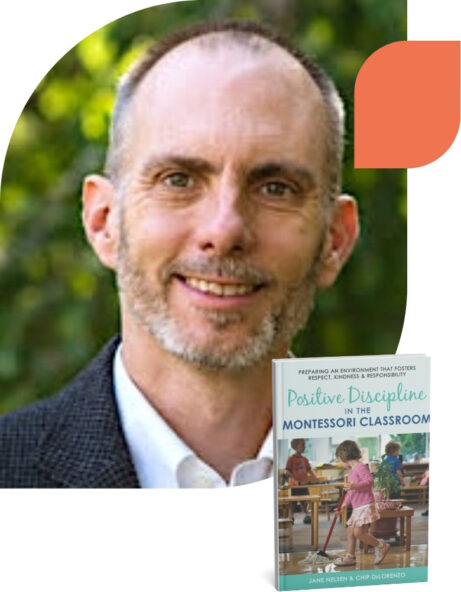
Chip DeLorenzo
Chip DeLorenzo has been a Montessori educator since 1995 and is the co-author of "Positive Discipline in the Montessori Classroom" alongside Jane Nelsen. As a teacher trainer and school consultant, Chip has guided thousands of Montessori teachers and parents in applying Positive Discipline through workshops and lectures. He served as Head of School at Damariscotta Montessori for 20 years, where he was also a teacher and school leader. Chip holds AMS certifications in Early Childhood, Lower, and Upper Elementary, and has worked extensively with adolescent students. He is a father of five Montessori-homeschooled children and lives in Loveland, Ohio with his wife, Kathy.
Discussion
Your questions will be answered after the conference.
Add a comment
You must be logged in to post a comment.
Great topic. Great ideas about family meeting and stop lecturing. Real life issues with brainstorming solutions.
I have to admit I did laugh when you said you started sounding like your parent. I think we are all guilty of that. But I do love the fact that you did explain why it’s important to talk about cause and effect to help guide the children or other people to help in a situations. When you talked about your teenage child talking to you guys at the end of the bed. I love those days cuz it’s true you have open communication. You have fantastic connection with your family. Thank you very much for this session