
Mariana Bissonnette
The Montessori Approach to Phonetic Awareness, Writing, and Reading
Join Mariana Bissonnette, Montessori coach and award-winning author, as she dives into how the science of reading aligns with Montessori’s approach to literacy. With over 15 years of experience, Mariana helps us understand how children’s brains naturally connect sight, sound, and meaning, and how the journey from writing to reading unfolds naturally.
In this session, you’ll explore:
-How writing and reading develop together in the brain
-Fun, hands-on activities like sound games and sandpaper letters to build those essential connections
-Why creating a nurturing, connected learning environment is key to helping language grow
Mariana emphasizes that language development isn’t just about teaching skills - it’s about fostering a natural, joyful love of words and stories.
AUDIO VERSION
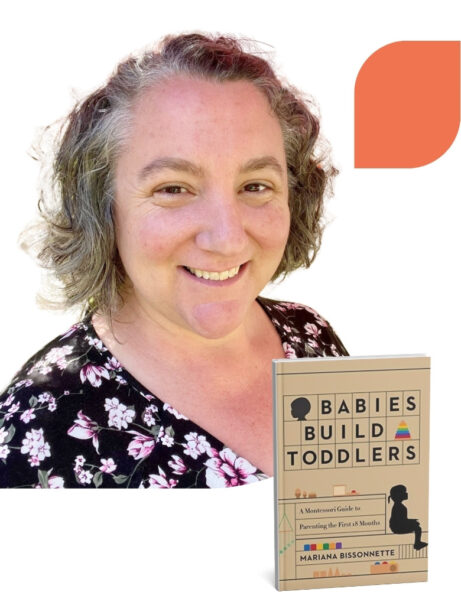
Mariana Bissonnette
Mariana is an experienced and passionate advocate for supporting children and caregivers during life’s most critical years of development. Mariana has over a decade of work in Montessori classrooms, is a former Montessori school leader, and has supported over 2000 families with group and 1:1 support through her program The PEACE Program. She is also the author of the award-winning book "Babies Build Toddlers: A Montessori Guide to Parenting the First 18 Months". Through The PEACE Program, she works with families and educators in service of the liberation of the child from oppressive systems that constrain the child’s ability to develop as they are trying to.
Discussion
Your questions will be answered after the conference.
Add a comment
You must be logged in to post a comment.
Thank you, Marianna. Very interesting topic about language. I am also curious at the age of 3 how many languages children could be exposed with benefits? Is there any limits?
Hi Yuliia,
That’s a great question! Children will learn as many languages they are exposed to that are required for their survival. So, if the community around them speaks 4 languages consistently around them, the infant’s brain will tune in to acquiring 4 languages. If the community around the child speaks 1 language primarily, but the child hears another language in the broader community, their brain will tune into that difference and build a language accordingly. What we are born with is potential, not capacity. And the child’s brain has the potential to build the languages that allow them to communicate with their community – however many that is. AND the brain will discern between which languages are consistent enough to equate survival. AND the languages should be exposed with depth so that the language can be FULLY absorbed so we should just say a little bit of 10 languages with the hope of having the child speak all those. What we want is the community around the child to speak fully and with depth to the child and in front of the child and their brain will absorb the language(s) that they need to communicate with that group.
So, exposure is helpful but its not going to turn into a complete language unless the child is exposed to it completed.
Thanks for watching!
I enjoy hearing your presentation. The why and the how we present reading materials and introducing writing. I enjoy understanding more about the Montessori and the prepared adult and the materials.